
"coffee plantation history"
2000 article(s) found

Coffee is produced throughout Indonesia, and Java occupies an extremely important position in the history of coffee.
Coffee is produced throughout Indonesia (Indonesia), and Java occupies an extremely important position in coffee history. In the mid-17th century, coffee trees were introduced to Indonesia by the Dutch (some official sources believe that earlier). The first batch of coffee from Java was sold to Amsterdam in 1712. However, coffee trees in all plantations were destroyed by coffee rust in 1877
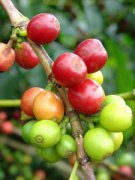
Coffee is produced throughout Indonesia, and Java occupies an extremely important position in the history of coffee.
Coffee is produced throughout Indonesia (Indonesia), and Java occupies an extremely important position in coffee history. In the mid-17th century, coffee trees were introduced to Indonesia by the Dutch (some official sources believe that earlier). The first batch of coffee from Java was sold to Amsterdam in 1712. However, coffee trees in all plantations were destroyed by coffee rust in 1877

History, culture and story allusions of holy boutique beans in Santa Cruz Manor, Ecuador
For the exchange of professional baristas, please pay attention to the coffee workshop (Wechat official account cafe_style) the history, culture, stories and allusions of St. Cristobal, a large island in the Galapagos archipelago, where there is a small lake called El.Junco, which forms several streams along the island.

Java occupies an extremely important position in the history of coffee in Indonesia.
Coffee that makes you feel refreshed and ready to drink. Coffee is produced throughout Indonesia (Indonesia), and Java occupies an extremely important position in coffee history. In the mid-17th century, coffee trees were introduced to Indonesia by the Dutch (some official sources believe that earlier). The first batch of coffee from Java was sold to Amsterdam in 1712. However, in 1877

Introduction to the History of Coffee cultivation in Guatemala _ inventions in Guatemala that changed the Coffee Industry
Professional coffee knowledge exchange more information about coffee beans please follow the coffee workshop (Wechat official account cafe_style) Guatemala is located in Central America. This is a country with tropical rain forest weather, high humidity and warm climate all year round. It formed Central American volcanoes along with Nicaragua, El Salvador, Honduras, Costa Rica and Panama.

Indonesian Java coffee occupies an extremely important position in the history of coffee
Coffee is grown throughout Indonesia and Java occupies an extremely important place in coffee history. Coffee trees were introduced to Indonesia by the Dutch in the mid-17th century (some official sources say earlier). The first coffee from Java was sold to Amsterdam in 1712. In 1877, however, coffee trees on all plantations were destroyed by coffee rust, and no one was allowed to plant them.

A brief introduction to the history and culture of the origin and development of fine coffee beans in Santa Cruz Manor with balanced acidity.
Because of the unique role of the Galapagos Islands in the course of history, the Government of Ecuador has designated the Galapagos Islands as a national park, the land is no longer allowed to be reclaimed as new agricultural land, and the introduction and use of chemical fertilizers, pesticides, herbicides and other chemicals are strictly prohibited, so coffee produced in the Galapagos Islands is recognized as a natural product. Ecuador ES Coffee South Ecuador
The Development History of Indonesian Coffee
Indonesia has always been one of the best coffee producers in the world. Java coffee used to be synonymous with top coffee, while Sumatra and Sulawesi are also rich in top coffee.

A brief introduction to the History and Culture of the Origin and Development of Fine Coffee beans in Santa Barara Manor
For coffee production, the geographical conditions of Honduras are no less than those of its neighboring coffee-producing countries such as Guatemala and Nicaragua. There are 280000 hectares of coffee plantations in Honduras, mainly small coffee plantations, most of which are less than 3.5ha. These coffee plantations account for 60% of the total coffee production in Honduras. In the coffee garden, because the planting land belongs to

A brief introduction to the Origin, Development, History and Culture of Santa Cruz Manor boutique Coffee beans
As coffee is consumed by people all over the world, the world coffee industry is also moving towards mass production, while St. Cristobal, a small and unreliable coffee industry, is in trouble and is likely to be forced to give up without profit. It wasn't until the early 1990s that the Gonzalez family bought Hasunda Coffee Park. Humboldt current (HumboldtCurr

A brief introduction to the History and Culture of the Origin and Development of Fine Coffee beans in Santa Barara Manor
For coffee production, the geographical conditions of Honduras are no less than those of its neighboring coffee-producing countries such as Guatemala and Nicaragua. There are 280000 hectares of coffee plantations in Honduras, mainly small coffee plantations, most of which are less than 3.5ha. These coffee plantations account for 60% of the total coffee production in Honduras. In the coffee garden, because the planting land belongs to

A brief introduction to the origin, development, history and culture of boutique coffee beans in Santa Cruz Manor
Ecuador ES coffee Ecuador South America famous brand, Ecuador A grade coffee, has a large state-run seed value garden; 100% from the 1300-2000 meters high natural vegetation zone, popular in Europe and the United States, with supermarket prices to taste the exquisite world-class Arabica Arabica flavor. ES Coffee is a clean organic coffee grown on the slopes of the Andes in Latin America. It's one percent.

A brief introduction to the history and culture of the origin and development of boutique coffee beans in Santa Cruz Manor
Creative coffee made from Ecuadorian coffee beans with unique flavor is also popular with consumers. Mr. Veniso, the champion of the 2014 Ecuador Coffee Competition, won the Ecuador Coffee Competition with his creative formula. One espresso has a fresh and unique taste with mint grass from the Amazon, while the other adds a Rolls-Royce from the rose.

The History of Tea Industry in Sri Lanka and the Historical Story of James Taylor, the Father of Ceylon Black Tea
Sri Lanka's history is as fascinating as the country itself. Many years ago, the country had a strong culture and heritage, and it was ruled by kings for many generations. As early as the 16th century, the country was invaded by many foreign forces who came here in search of spices, gems and other treasures. Since the beginning of colonial history in the 16th century, the country has been dominated by the Portuguese, the Dutch and

History of the Origin and Development of Brazilian Coffee the Future trend of Flavor and Taste in Brazilian Coffee Bean producing areas
The origin of Brazilian coffee several historians agree that the arrival of coffee from the Old World to Martinique and the Antilles originated in 1714 when Mathieu de Clieu, the captain of the French army, got it from the first branch seeds brought by small American plantations. The story tells us that the captain is keeping a coffee branch stolen from Louis XIV Garden.

Nicaraguan Coffee Story Nicaraguan Coffee History Nicaraguan Coffee characteristics
Professional coffee knowledge exchange more information about coffee beans Please follow the coffee workshop (Wechat official account cafe_style) Coffee culture in Nicaragua today, coffee also supports 45334 families who own and operate small farms. These are important contributions for a country with a population of 6 million and an unemployment rate close to 50 per cent. 95% of the coffee species in Nicaragua

A brief introduction to the history and culture of the origin and development of fine coffee beans in Santa Cruz Manor with balanced acidity.
In the mid-15th century, there were legends about enchanted mysterious islands among fishermen fishing in the western Pacific Ocean of South America. It is said that the islands can sometimes be seen clearly from a distance, but when the ship approaches, it disappears again; sometimes it looks like a galleon, sometimes it shows the shape of a witch. The fishermen called these islands Magic Island and thought it was there.

Introduction to the historical flavor description characteristics of Panamanian Rosa coffee beans and the information of producing areas
Communication of professional baristas Please follow the History of Coffee in Panama in the Coffee Workshop (official Wechat account cafe_style) in 1780, the history of Panamanian coffee began when Europeans first introduced the first Typica tree species to Panama. For Panamanians at that time, such drinks were both novel and mysterious, not only quickly conquering people's senses, but also when

A brief introduction to the Origin, Development, History and Culture of Fine Coffee beans in Santa Cruz Manor, Ecuador
As coffee is consumed by people all over the world, the world coffee industry is also moving towards mass production, while St. Cristobal, a small and unreliable coffee industry, is in trouble and is likely to be forced to give up without profit. It wasn't until the early 1990s that the Gonzalez family bought Hasunda Coffee Park. Humboldt current (HumboldtC